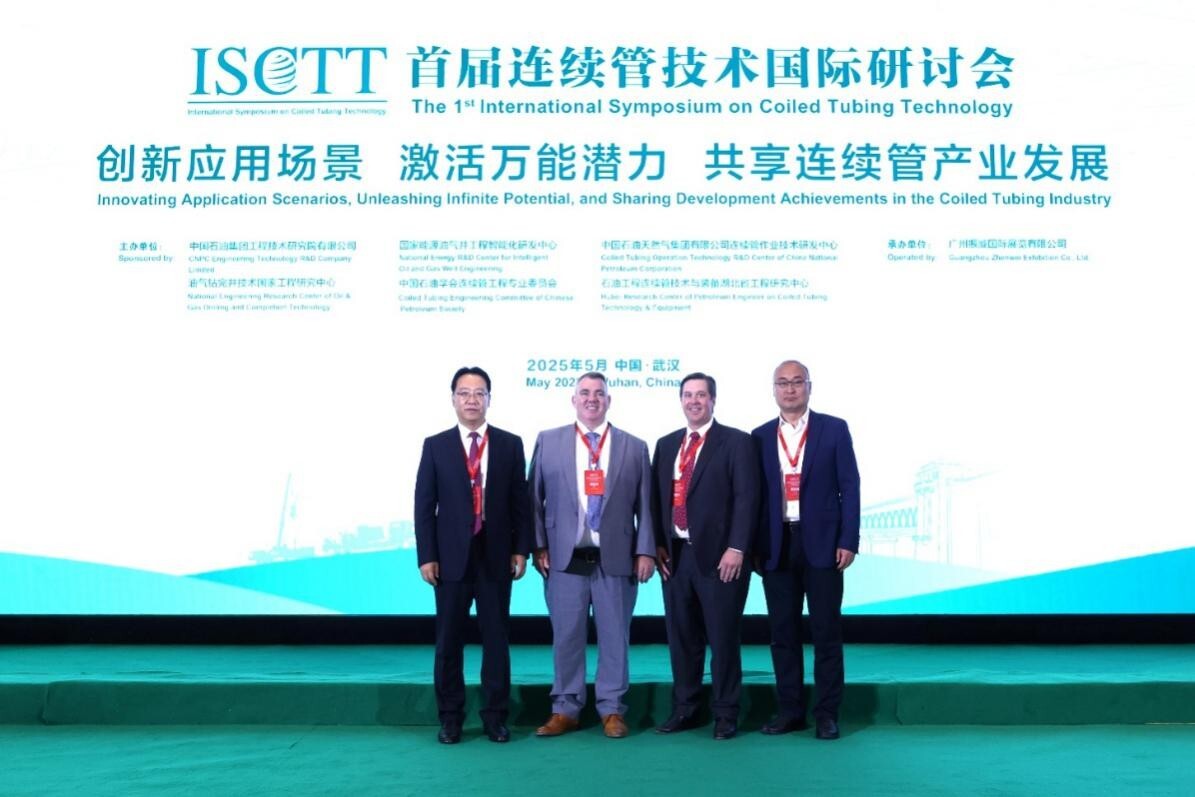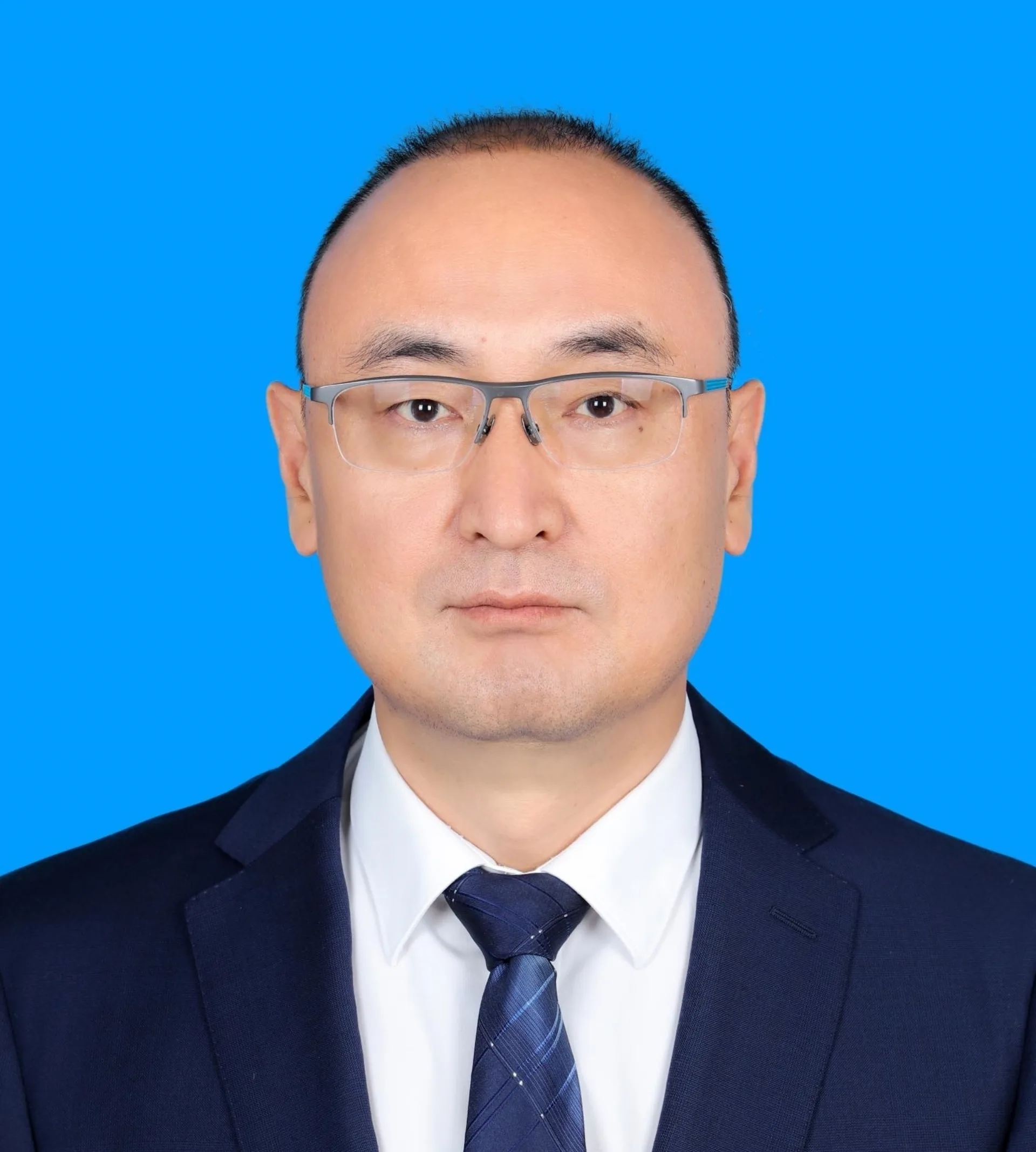
Qu Gang is the Senior Chair of the ICoTA China Chapter.
Qu Gang led the development and localization of the XZ-TRS Rotary Steerable System, achieving six technologies at an internationally advanced level. He also promoted breakthroughs in coiled tubing sand-jet perforation and other techniques, reducing the drilling cycle for shale oil wells to just 15 days. In the Tarim Basin, a 9,000-meter well was drilled in a record 112.5 days. Additionally, he established a “Centralized Scheduling” mechanism that improved rig efficiency by 25% and introduced electric-drive skid fracturing operations, filling a regional technology gap.
"Serving as the Chair of the ICoTA China Chapter represents not only a fulfillment of my professional aspirations but also a mission entrusted by this era. Through the Chapter platform, I aim to position coiled tubing technology as a “key enabler” in China’s energy transition—strengthening our technological edge in oil and gas development while unlocking growth potential in emerging sectors such as hydrogen storage and transportation, and geothermal energy exploitation.
Ultimately, the goal is to achieve a leap from being a technology follower to becoming a global standard-setter. In this journey, the Chapter will always take technological innovation as its driving force and ecosystem building as its foundation, contributing wisdom and strength to the green and sustainable development of both China’s and the world’s energy industries."
Vision for the ICoTA China Chapter
Leveraging the Belt and Road Initiative, the Chapter will establish a “China Technology + Global Market” model to build an innovation platform for energy infrastructure that is both technologically advanced and globally service-oriented. Our goals include increasing the penetration rate of coiled tubing technology in the oil and gas sector to 40%, achieving a 25% market share in emerging fields such as hydrogen storage, transportation, and CCUS, training over 500 industry leaders, and developing a globally competitive technical standards system.
Through a self-reinforcing cycle of “technological breakthroughs – market expansion – ecosystem building,” the Chapter aims to become a core engine of China’s energy transition, contributing Chinese solutions to the world’s low-carbon development.